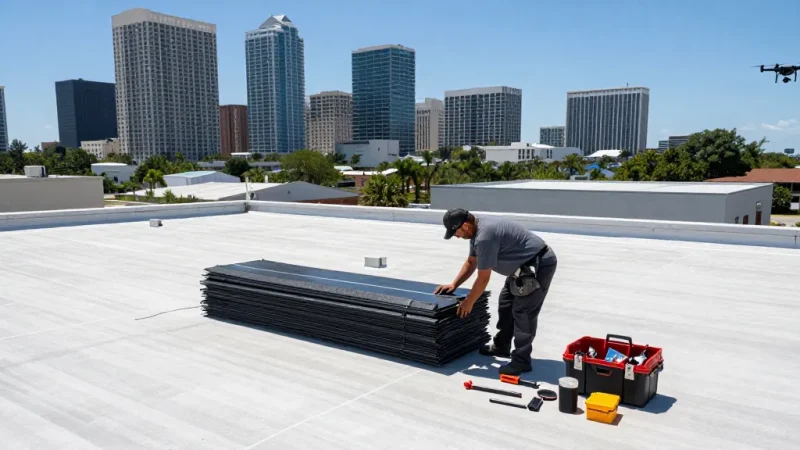
Why Choosing a New York Commercial General Contractor is Essential for Your Project

- Understanding the Role of a New York Commercial General Contractor
- Factors to Consider When Selecting a New York Commercial General Contractor
- Common Challenges Faced by New York Commercial General Contractors
- Best Practices for Collaborating with Your Contractor
- Future Trends in the New York Commercial Construction Industry
- Frequently Asked Questions
Understanding the Role of a New York Commercial General Contractor
Definition and Responsibilities
A New York Commercial General Contractor acts as the primary point of contact for managing construction projects. Their responsibilities encompass a wide range of tasks, including coordinating all aspects of construction, from initial planning and design to project completion and delivery. These contractors take on the legal and financial responsibility for the project’s execution, ensuring that it meets specified requirements, adheres to local codes, and stays within budget. Key responsibilities include scheduling subcontractors, managing procurement of materials, conducting inspections, and ensuring safety standards are upheld.
Benefits of Hiring Professionals
Hiring a qualified New York Commercial General Contractor provides numerous advantages. Firstly, their expertise streamlines the decision-making process, helping identify cost-effective solutions while minimizing risks associated with construction delays and budget overruns. Their professional networks also facilitate smooth collaboration with suppliers and subcontractors. Moreover, they bring project management best practices, improving communication and project visibility for all stakeholders involved. Overall, an experienced contractor can enhance project quality and efficiency, leading to timely completion and client satisfaction.
Key Skills to Look For
When choosing a New York Commercial General Contractor, it’s essential to consider specific skills that indicate their capability. Strong project management skills are vital, as they coordinate various moving parts within a construction project. Moreover, knowledge of local building codes and regulations ensures compliance, mitigating potential legal issues. Effective communication skills foster a transparent collaboration process among stakeholders, while a solid network of subcontractors can significantly affect project outcomes. Lastly, problem-solving abilities are crucial when facing unforeseen challenges during construction.
Factors to Consider When Selecting a New York Commercial General Contractor
Experience and Reputation
When evaluating potential contractors, experience plays an integral role in determining suitability for your project. A seasoned New York Commercial General Contractor will have a proven track record of successful project completion across various sectors, such as retail, hospitality, and office spaces. Online reviews and testimonials can provide insight into their reputation. Engage with past clients to understand their experiences, and if available, examine project portfolios showcasing their work. A contractor with a strong, positive reputation is more likely to deliver exceptional results.
Licensing and Insurance Requirements
Licensing is crucial when hiring a New York Commercial General Contractor. Confirm that the contractor possesses the necessary licenses required by the state for construction activities. Furthermore, ensuring they carry adequate insurance protects you from liabilities that may arise from workplace accidents or property damage during the project. Verify that the contractor’s insurance covers workers’ compensation, general liability, and any additional coverage, such as completion bonds or builder’s risk insurance.
Client Communication and Project Management
Effective communication between the client and contractor is foundational for successful project execution. Assess how prospective contractors manage client relationships and their approach to updates, queries, and concerns. Choose a contractor who demonstrates a commitment to transparent communication and regular progress reports. Additionally, inquire about their project management techniques, including software tools used for tracking milestones and budget adherence. A contractor who prioritizes these aspects is more likely to facilitate a smoother construction process.
Common Challenges Faced by New York Commercial General Contractors
Regulatory Compliance and Permits
Navigating regulatory compliance and obtaining necessary permits can be a daunting task for a New York Commercial General Contractor. Each project demand must comply with New York City’s regulatory landscape and zoning laws. Contractors must stay up-to-date with local regulations to avoid costly penalties or project delays. Establishing strong relationships with city agencies can expedite the permitting process and help manage compliance effectively, but this may require significant time and resources.
Budgeting and Cost Management
Budget challenges often compound within commercial construction projects. Contractors must accurately estimate costs while safeguarding against scope creep, which can lead to project overspending. Continuous financial tracking and forecasting enable contractors to manage budgets effectively while aligning expectations with project owners. Implementing rigorous budget management practices helps identify potential financial pitfalls and builds a reliable financial roadmap throughout the project lifecycle.
Time Constraints and Scheduling Conflicts
Time management in construction is critical yet challenging, especially on complex projects with multiple stakeholders. Delays caused by weather, supply chain disruptions, or labor shortages can derail timelines. A proactive New York Commercial General Contractor should develop a realistic project timeline, incorporating buffer periods for unforeseen circumstances. Establishing clear communication channels and utilizing construction scheduling tools can enhance transparency and keep all parties aligned, reducing the likelihood of scheduling conflicts.
Best Practices for Collaborating with Your Contractor
Setting Clear Expectations
Establishing clear project goals from the outset is essential when collaborating with a New York Commercial General Contractor. Define project benchmarks, desired outcomes, and timelines to create a shared understanding. Regular follow-ups ensure that both parties remain committed to meeting established goals. Documenting expectations in a formal contract can help prevent misunderstandings and ensure accountability.
Regular Communication and Updates
Continuous communication fosters trust and transparency throughout the project duration. Schedule regular meetings with your contractor to discuss progress, address concerns, and provide updates on any changes in project scope. Open channels of communication empower both parties to navigate challenges collaboratively and help maintain alignment on objectives. Utilize technology, such as project management software, to maintain a constant dialogue and visibility into project statuses.
Utilizing Technology for Project Tracking
Embracing technology significantly enhances project tracking and collaboration. Construction management software offers features like Gantt charts, real-time budgeting tools, and document management that streamline workflows. These platforms foster better scheduling, communication, and accountability among all stakeholders. By leveraging technology, clients and contractors can maintain a pulse on project timelines, budgets, and overall progress, ultimately enhancing efficiency and reducing potential issues.
Future Trends in the New York Commercial Construction Industry
Sustainable Building Practices
The shift toward sustainability is becoming increasingly imperative in construction. Projects now often incorporate eco-friendly materials, energy-efficient designs, and green certifications, such as LEED. As awareness around climate change grows, a reputable New York Commercial General Contractor must be knowledgeable in sustainable practices and compliant with green building regulations. Staying ahead of sustainable trends not only benefits the environment but can also serve as a selling point for future projects.
Innovations in Construction Technology
Technology is revolutionizing the construction industry. Innovations like Building Information Modeling (BIM), drones, and augmented reality are reshaping how contractors approach project planning and execution. These tools enhance visualization, improve accuracy in measurements, and optimize resource allocation. In New York’s fast-paced urban environment, embracing these technologies can provide contractors with a competitive edge in efficiency and quality.
Market Insights and Opportunities
The commercial construction landscape in New York continues to evolve, offering substantial opportunities. With the resurgence of urban development and infrastructure projects, understanding real estate trends and market demands is paramount. Contractors who conduct thorough market research and adapt to shifting consumer needs will position themselves strategically for success. Developing expertise in high-demand areas, such as mixed-use developments and hospitality projects, will be crucial for staying competitive.
Frequently Asked Questions
What is the role of a New York Commercial General Contractor?
A New York Commercial General Contractor manages all aspects of construction projects including planning, budgeting, overseeing subcontractors, and ensuring compliance with regulations.
How can I ensure my contractor is qualified?
Check their licensing, insurance, experience with similar projects, and seek references from past clients to ensure qualifications.
What are the benefits of hiring a contractor?
Benefits include professional management, cost-effective solutions, access to skilled subcontractors, and assurance of project compliance and safety.
How do I handle budget overruns in construction?
Maintain open communication with your contractor, regularly review financial reports, and address any discrepancies promptly to handle budget overruns effectively.
Why is communication important in contractor collaboration?
Effective communication ensures all parties are aligned on goals, issues are promptly addressed, and fosters a trusting relationship throughout the project.