
Stainless Steel Basin Factory Survival Guide: Navigating Manufacturing Trends in 2026
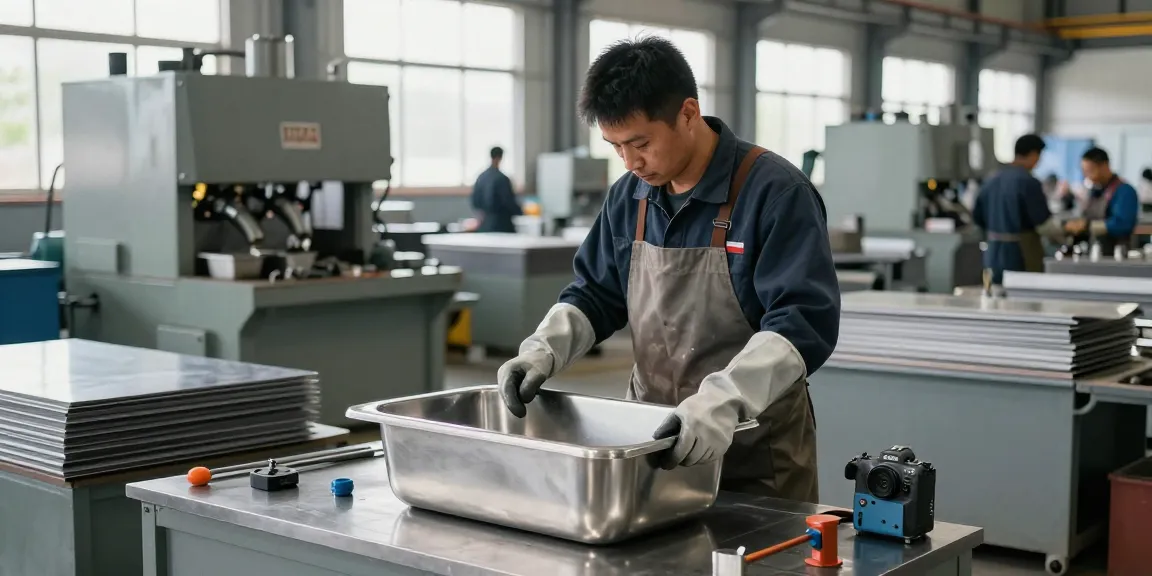
Understanding the Stainless Steel Basin Manufacturing Process
The production of stainless steel basins involves a sophisticated process that combines both art and science. With the growing demand for durable and aesthetically pleasing basins in residential and commercial settings, manufacturers are constantly innovating their techniques. Understanding the intricacies of the manufacturing process not only helps consumers make informed choices but also aids businesses in selecting reliable stainless steel basin factory partners. In this article, we will explore the critical elements of stainless steel basin manufacturing, from the raw materials used to the finishing touches that ensure a product’s quality and appeal.
The Role of Stainless Steel in Basin Production
Stainless steel is favored in basin production due to its corrosion resistance, durability, and aesthetic appeal. Its ability to withstand high temperatures and pressure makes it ideal for kitchen and bathroom applications. Moreover, stainless steel’s sleek design fits seamlessly into modern interiors, making it a popular choice among architects and designers. The alloy typically includes chromium, nickel, and varying levels of carbon, which enhance its resilience and overall quality.
Key Stages in the Manufacturing Process
- Material Selection: High-quality stainless steel sheets are sourced based on gauge, alloy composition, and finish requirements.
- Cutting and Forming: Sheets are cut into specific shapes using laser cutting or water jet cutting technologies, followed by forming processes such as stamping or pressing to create the basin shape.
- Welding: Automated or manual welding techniques are employed to join seams and edges, ensuring that the basin is leak-proof and structurally sound.
- Finishing: This stage involves polishing, coating, or applying finishes that enhance appearance and resistance to scratches and stains.
- Quality Assurance: Finally, each basin undergoes rigorous testing to meet industry standards and customer specifications.
Quality Control Measures in Factories
Quality control is paramount in the production of stainless steel basins, as it impacts customer satisfaction and brand reputation. Factories employ various measures, including regular inspections, automated quality testing systems, and adherence to international standards such as ISO certification. By implementing Six Sigma and lean manufacturing principles, many factories are able to minimize defects and waste, which ultimately leads to a superior product.
Choosing the Right Stainless Steel Basin Factory
Selecting a manufacturer for stainless steel basins can be daunting due to the numerous factors that impact their capabilities. It is essential to ensure that the factory you choose aligns with your specific needs, whether you are a retailer, contractor, or individual consumer.
Factors to Consider When Selecting a Manufacturer
- Experience: A manufacturer with extensive experience in producing stainless steel basins is likely to understand the nuances of quality and design.
- Production Capacity: Ensure the factory can handle your required order volume without compromising quality.
- Customization Options: Look for manufacturers that offer customized sizes, shapes, and finishes to meet unique project specifications.
- Reputation: Research the manufacturer’s track record through reviews and testimonials from past clients.
Evaluating Factory Standards and Certifications
Not all factories operate under the same standards. Evaluating certifications such as ISO 9001 or NSF can provide insights into the factory’s commitment to quality and safety. Additionally, factories that comply with environmental regulations and sustainability practices often indicate a higher commitment to responsible manufacturing processes.
Comparing Cost vs. Quality in Basin Production
While it may be tempting to go for the lowest price, it is crucial to consider the long-term implications of manufacturing decisions. Cheaper options may result in lower-quality materials or workmanship, potentially leading to increased maintenance costs or even product failure. Striking a balance between cost and quality ensures that the investment pays off over time.
Innovations in Stainless Steel Basin Design
The design of stainless steel basins has evolved significantly, driven by advances in manufacturing technology and changing consumer preferences. Today’s consumers seek not only functionality but also unique aesthetics in their basin selections.
Trends in Aesthetics and Functionality
Contemporary designs often feature minimalistic styles, integrated drainage systems, and multifunctional capabilities such as dual sinks. Innovations like undermount sinks provide a seamless look and are easier to clean, which has increased their popularity in modern kitchens.
Impact of Technology on Manufacturing
Automation and computer-aided design (CAD) are reshaping the landscape of stainless steel basin manufacturing. Factories are leveraging robotics for precise cutting and welding, which improves efficiency and consistency. Moreover, CAD allows for better design representation and adjustments before production begins, minimizing errors and waste.
Eco-Friendly Materials and Sustainable Practices
As environmental awareness grows, many manufacturers are adopting sustainable practices. These include sourcing recycled stainless steel, implementing waste reduction strategies, and utilizing eco-friendly finishes. Factories that prioritize sustainability not only appeal to eco-conscious consumers but also contribute positively to the environment.
Common Challenges Faced by Stainless Steel Basin Factories
The manufacturing landscape for stainless steel basins is fraught with challenges, from material sourcing to maintaining compliance with regulations.
Supply Chain Issues and Material Sourcing
Global supply chain disruptions can affect the availability and cost of raw materials, leading to production delays. Manufacturers must develop robust relationships with suppliers and explore alternative sourcing strategies to mitigate these risks.
Regulatory Compliance and Industry Standards
Stainless steel basin factories must navigate a complex web of regulatory requirements, from safety standards to environmental regulations. Staying compliant demands continuous education and adaptation to changing laws, which can be resource-intensive.
Dealing with Competition in the Market
The competitive nature of the basin market means that manufacturers must constantly innovate and differentiate their products. Engaging in market research and understanding customer trends are critical for staying relevant and appealing to target demographics.
The Future of Stainless Steel Basin Manufacturing
As we move towards 2026, several trends and predictions are shaping the future of stainless steel basin manufacturing. Understanding these trends is essential for both manufacturers and consumers.
Emerging Trends and Predictions for 2026
We can expect a continued emphasis on personalization, with more manufacturers offering customizable options to cater to individual tastes. Additionally, the integration of smart technology into sinks—such as touchless faucets and built-in sensors—will likely gain traction, enhancing user experience.
Preparing for Changes in Consumer Preferences
Adapting to shifting consumer preferences—including a focus on health and hygiene—will be vital. Features like antimicrobial coatings and easy-to-clean surfaces will become essential selling points.
Strategies for Long-Term Success in the Industry
For long-term viability, manufacturers should invest in research and development, embrace technological advancements, and foster strong customer relationships. Continuous improvement and responsiveness to market demands will position them favorably in an ever-evolving industry.
What are the benefits of stainless steel basins?
Stainless steel basins offer numerous advantages, including durability, resistance to corrosion, ease of maintenance, and modern aesthetics that complement various design styles.
How do stainless steel basin factories ensure quality?
Quality assurance processes, including rigorous testing and adherence to international standards, help ensure that stainless steel basins meet high-performance criteria and customer expectations.
What should I look for when selecting a stainless steel basin?
Consider factors such as gauge thickness, finish, warranty, and manufacturer reputation. These elements will significantly influence the basin’s durability and overall quality.
How is technology changing stainless steel manufacturing?
Technology is driving advancements in automation, precision engineering, and sustainable practices, transforming how basins are designed and produced.
What are the challenges in the stainless steel basin industry?
Challenges include supply chain fluctuations, regulatory compliance, and fierce competition, all of which require proactive strategies for manufacturers to overcome.


