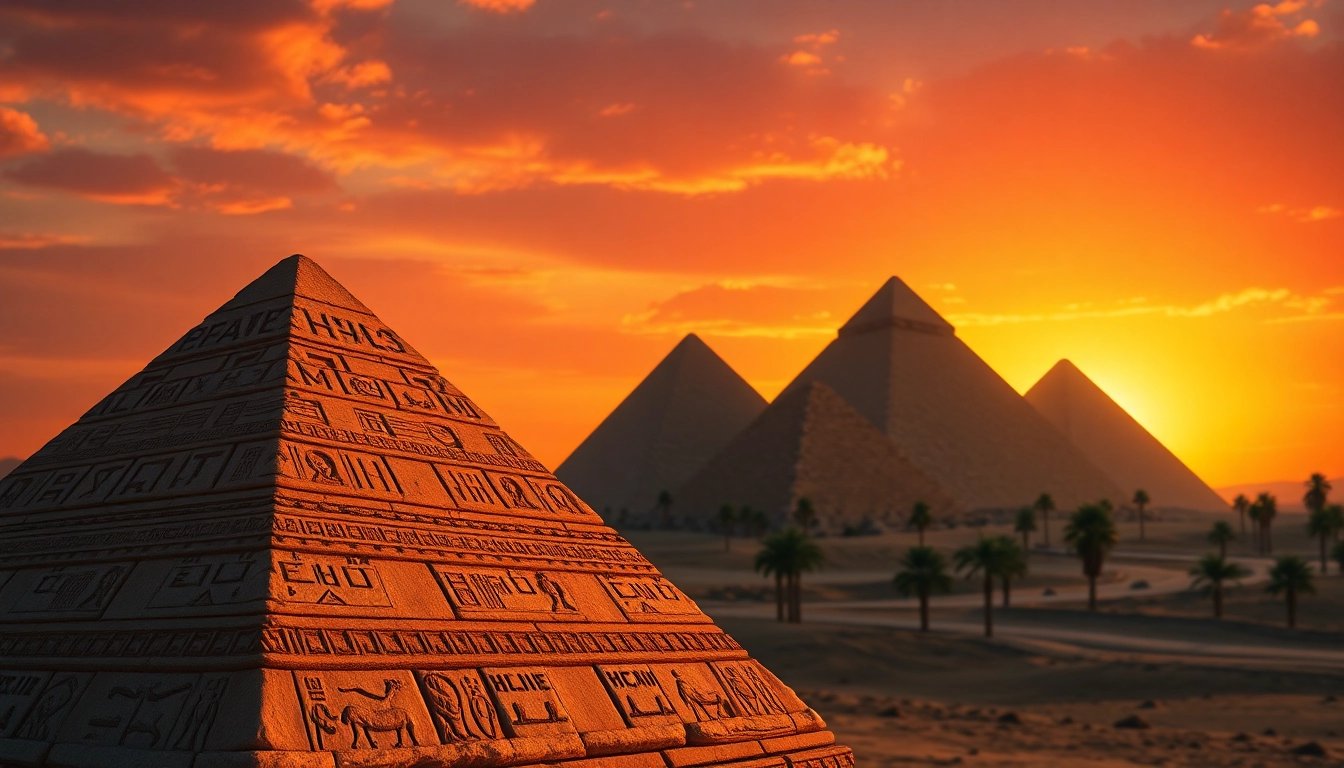
The awe-inspiring structures known as pyramids have captivated the imaginations of people for centuries. While often closely associated with ancient Egypt, the architectural form has appeared in various cultures worldwide. From their historical significance to the impressive engineering feats achieved in their construction, pyramids represent one of humanity's most enduring legacies. In this comprehensive guide, we will explore the history, architecture, cultural importance, prominent examples, tourism insights, and modern research surrounding these magnificent edifices.
The History of Pyramids
The Origins of Egyptian Pyramids
The construction of pyramids can be traced back to ancient Egypt around the Third Dynasty, where the early forms served primarily as royal tombs. The earliest known pyramid, the Step Pyramid of Djoser, showcased a revolutionary design that marked a departure from traditional flat-roofed tombs known as mastabas. Built around 2630 BCE, the Step Pyramid laid the groundwork for later, more elaborate structures, including the famous Pyramids of Giza.
As the purpose of these significant tombs became more aligned with religious beliefs surrounding the afterlife, the design evolved. The pyramidal shape symbolized a stairway to heaven, facilitating the pharaoh's journey into the afterlife. An excellent resource for exploring the specifics of these early structures can be found at https://piraminds.com/.
Pyramids Through the Ages
Over the centuries, pyramid construction techniques evolved, reflecting changes in religious practices, architectural innovations, and sociopolitical dynamics. By the time of the Fourth Dynasty, the pyramids of Giza — including the Great Pyramid, built for Pharaoh Khufu — epitomized the height of pyramid architecture, standing as monumental achievements of human ingenuity. These grand structures required immense resources, skilled labor, and sophisticated planning to construct, leading to advances in geology and engineering that would inform future practices.
In addition to Egyptian pyramids, other cultures around the world adopted the pyramid form, adapting it to their own religious and social contexts. The Nubian pyramids located in present-day Sudan also demonstrate similar architectural grandeur, reflecting Egyptian influence with distinct cultural characteristics.
Cultural Significance and Myths
Pyramids have held considerable cultural significance, often embodying the spiritual beliefs of the societies that constructed them. In ancient Egyptian culture, pyramids served as monumental tombs, reflecting the belief in the afterlife and the divine right of pharaohs. Some myths surrounding pyramids include tales of hidden treasures and the belief that pyramids could harness cosmic energy. Various historians have suggested that the design and construction of these structures required unrivaled coordination and social will, thereby underlining their monumental significance not only as tombs but also as statements of power and divine favor.
Pyramid Architecture and Construction Techniques
Design Elements of Pyramids
The architectural design of pyramids is characterized by their distinctive triangular shape, which among other things symbolizes stability and unity. The principal design elements include the base, which is square and can vary in size; the four triangular faces that converge at the apex; and the burial chambers located within the pyramid. Pyramids like those at Giza were often built with an outer casing of highly polished limestone, designed to reflect sunlight and shine like a gem. The aesthetic and symbolic dimensions of pyramid architecture are crucial to understanding their role in ancient cultures.
Materials and Tools Used
The construction of pyramids involved an array of materials and tools. While the core structures utilized local stone such as limestone and sandstone, the outer casing stones were often made from finer, more durable materials to achieve aesthetic qualities. Tools used by ancient Egyptians included copper chisels, wooden sledges, and levers, showcasing their innovative engineering. These materials and tools facilitated the remarkable precision needed to construct such massive edifices, aligning them astrologically, and ensuring durability for millennia.
Labor and Engineering Innovations
The labor involved in constructing pyramids was immense. Contrary to popular belief, recent archaeological studies suggest that many workers were skilled laborers rather than slaves, who labored in organized teams. This pyramid-building workforce was crucial for creating the intricate designs and structures. Engineers of the time likely employed various ramps to move heavy stones into place, demonstrating impressive knowledge of physics and logistics. Innovations like these not only contributed to pyramid construction but also advanced construction techniques that impacted future architectural developments.
Significant Pyramids Around the World
The Great Pyramids of Giza
The Great Pyramids of Giza remain the most famous pyramids in the world. Constructed during the Fourth Dynasty, the Great Pyramid of Khufu is the largest, originally standing at a height of about 146 meters. Accompanied by the Pyramids of Khafre and Menkaure, these structures exemplify the height of ancient Egyptian architecture, showcasing elaborate chambers, well-engineered passages, and a deep understanding of astronomy.
The archaeological significance of these pyramids cannot be overstated, as they offer valuable insights into ancient Egyptian civilization, including their religious beliefs, social hierarchy, and remarkable ingenuity.
Other Noteworthy Pyramids
Beyond Egypt, many other cultures have constructed pyramids, albeit in differing styles and purposes. The pyramids of the Maya and Aztecs, for example, reflect a deeply spiritual and ritualistic architecture, serving as platforms for temple structures. The Pyramid of the Sun in Teotihuacan, Mexico, ranks among the largest in the world and served significant religious purposes. Similarly, the pyramids in Meroë, Sudan, were built by the Kingdom of Kush and reflect a blend of Egyptian and local influences, showcasing the interconnectedness of cultures throughout history.
Pyramids in Other Cultures
Pyramidal structures may also be found in landscapes all over the world, from the Khmer temples of Angkor Wat in Cambodia to the structures of ancient Mesopotamia. As diverse as their origins are the motivations behind their construction — whether it be for religious, astronomical, or societal purposes — these pyramid-like structures connect various civilizations through their shared architectural significance and cultural expressions.
Visiting the Pyramids: Travel and Tourism Insights
Top Locations to Experience Pyramids
For enthusiasts keen on exploring the marvels of pyramid architecture, Egypt offers unparalleled experiences at locations like Giza, Saqqara, and Abu Sir. Each site features unique architectural styles and provides insights into the cultures that created them. Outside of Egypt, visiting the Mesoamerican pyramids in places like Palenque or Chichen Itza can offer contrasting but equally profound understandings of pyramid architecture in different societal contexts.
Essential Tips for Travelers
When visiting pyramid sites, it is essential to plan ahead. Travelers should consider hiring local guides who bring historical context and insights, ensuring a richer understanding of the sites. It is advisable to dress comfortably for walking and to stay hydrated, especially in hotter climates. Additionally, visitors should respect local customs and practices, as the sites hold considerable spiritual significance to indigenous cultures.
Understanding Local Laws and Etiquette
Travelers are encouraged to familiarize themselves with local laws and etiquette when exploring pyramid sites, particularly regarding photography and touch regulations. Many sites have dedicated areas for photographs, while others may prohibit them altogether to preserve the sanctity of these historical structures. Observing local customs when interacting with guides or vendors also enhances the overall experience of visiting these monumental sites.
Modern Discoveries and Research
Recent Archaeological Findings
Recent advancements in technology have led to significant discoveries surrounding ancient pyramids. Non-invasive scanning techniques, such as ground-penetrating radar, have unveiled hidden chambers and passages within structures that were previously inaccessible. This has renewed interest in understanding not only the construction methods but the purposes these spaces served, shedding light on the lives of those who built and utilized these incredible structures.
The Role of Technology in Researching Pyramids
Technological advancements, including 3D modeling and satellite imagery, have transformed how researchers approach the study of pyramids. These tools facilitate the reconstruction of how structures may have appeared initially, while data analytics can also provide insights into the labor, resources, and logistics involved in their construction. The modern age of archaeology is thus marked by a collaborative fusion of technology and traditional methods, leading to more comprehensive understandings of these monumental works.
Future of Pyramid Research
As research on pyramids progresses, new questions continue to arise, many of which challenge previous paradigms about ancient societies. Future studies aiming to explore cultural exchange among ancient civilizations and the significance of pyramids in a global context are vital. As scientists delve deeper, the enigmatic features of pyramids may ultimately reveal insights not only about ancient engineering but also about the social, spiritual, and political structures of the civilizations that built them.
FAQs
What were the primary purposes of pyramids in ancient Egypt?
Pyramids primarily served as tombs for pharaohs and elite members of society, reflecting their beliefs about the afterlife and their divine status.
How were the pyramids constructed?
Pyramids were built using large limestone and granite blocks, transported from quarries using sledges and ramps, requiring skilled labor and advanced engineering techniques.
What is the significance of the Great Pyramid of Giza?
The Great Pyramid is one of the Seven Wonders of the Ancient World and serves as a testament to ancient Egypt's architectural achievements and cultural beliefs.
Are there pyramids outside of Egypt?
Yes, many cultures, including the Maya and Aztecs in Mesoamerica and the Nubians in Sudan, built pyramidal structures for religious and cultural purposes.
Can visitors explore the interior of ancient pyramids?
Many pyramids allow limited access to their interiors for exploration, but regulations vary. It's particularly important to follow guidelines to preserve these ancient sites.