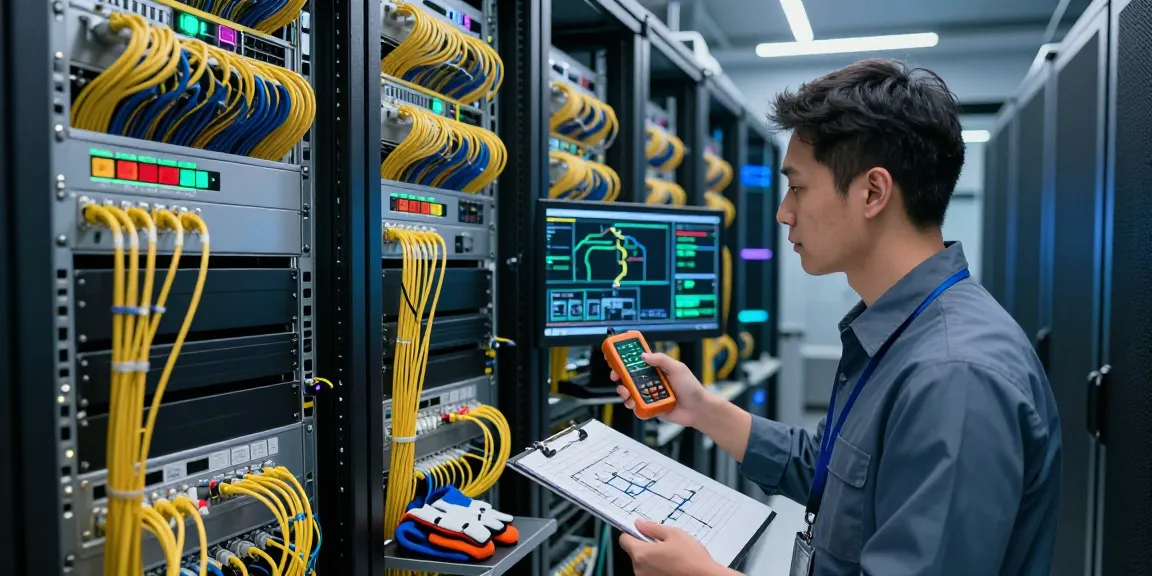
Understanding Fiber Optic Networks: The Backbone of Modern Connectivity
In an era where data consumption is surging and connectivity demands are at an all-time high, understanding fiber optic networks has become crucial for businesses and industries alike. Fiber optics represent a groundbreaking technology that uses light to transmit information with unprecedented speed and reliability. This article dives deep into the intricate workings of fiber optic networks, exploring their key components, advantages over traditional networks, and their role in shaping the future of connectivity. When exploring options, fiber optic network provide comprehensive insights into the procurement process and operational efficiency.
What is a Fiber Optic Network?
A fiber optic network consists of a communication infrastructure that utilizes fiber optic cables to transfer data in the form of light. This technology leverages the unique properties of glass or plastic fibers to achieve faster and more reliable data transmission compared to traditional copper cables. Fiber optic networks are crucial for various applications, including internet services, telecommunications, and enterprise networking, making them indispensable in modern infrastructure.
Key Components of Fiber Optic Systems
- Fiber Optic Cables: The core medium for transmitting data, composed of a central glass core surrounded by cladding.
- Connectors: Devices that join fiber optic cables to other network devices, ensuring seamless signal transfer.
- Transceivers: Equipment that converts electrical signals into optical signals and vice versa, facilitating communication over fiber.
- Switches and Routers: Critical devices that direct data traffic within the network, enhancing efficiency and performance.
Comparative Advantages Over Traditional Networks
Fiber optic networks offer numerous advantages over traditional copper-based networks, including:
- Higher Bandwidth: Fiber optics can transmit data at much higher speeds, accommodating the increasing data demands of modern users.
- Longer Distances: Unlike copper cables, which experience signal degradation over long distances, fiber optic cables can transmit data over several kilometers without loss.
- Security: Fiber optic networks are less susceptible to eavesdropping and interference, offering a secure communication method.
- Durability: Fiber optics are more resilient to environmental factors and physical damage than traditional cables.
Current Trends in Fiber Optic Networks: What to Expect in 2026
As we approach 2026, several trends are shaping the evolution of fiber optic networks. Technologies are advancing rapidly, influencing both the design and deployment of these critical infrastructures. Businesses should stay ahead by understanding these emerging trends and their potential impact on network capabilities.
Emerging Technologies Influencing Fiber Optics
Innovations such as silicon photonics and Co-Packaged Optics are leading to more efficient data transmission methods. Silicon photonics involves integrating optics and silicon-based electronics to create a more compact and energy-efficient solution for data communication. Co-Packaged Optics, on the other hand, combines multiple optical components in a single package, reducing latency and improving performance.
Increased Demand for Data Speed and Bandwidth
With the rise of AI, cloud computing, and streaming services, there is a relentless demand for high-speed data transfer. Fiber optic networks are positioned to meet this demand, offering expansive bandwidth that supports multiple high-definition streams simultaneously.
Sustainability and Environmental Impact Considerations
As businesses grow more environmentally conscious, sustainability in network deployment has become a priority. Fiber optic networks are not only more energy-efficient than their copper counterparts but also have less environmental impact due to lower energy consumption and the longevity of their material properties.
Challenges in Implementing Fiber Optic Networks Today
Despite their advantages, the deployment of fiber optic networks faces significant challenges. Understanding these obstacles can help businesses mitigate risks and streamline their implementation processes.
Infrastructure Costs and Economic Barriers
The capital-intensive nature of deploying a fiber optic network can be daunting for many organizations. Initial setup costs, including trenching, cabling, and equipment, can be substantial and may deter smaller enterprises from investing in this technology.
Technical Skills Gap in the Industry
As the demand for fiber optic expertise grows, a notable skills gap has emerged in the industry. Finding qualified technicians to install and maintain fiber optic networks can be a barrier to entry for many organizations.
Logistical Challenges in Network Deployment
Deploying a fiber optic network requires careful planning and execution. Issues such as permitting, rights-of-way, and supply chain disruptions can impact project timelines and budgets, highlighting the need for comprehensive project management strategies.
Best Practices for Optimizing Fiber Optic Network Performance
To fully leverage the advantages of fiber optic technology, businesses should adopt best practices that enhance network performance and reliability.
Effective Network Design and Planning Strategies
Proper design and planning are critical to maximizing the benefits of fiber optic systems. Businesses should assess their current and future data needs, map out network topology, and consider scalability to ensure an optimized deployment.
Monitoring and Maintenance Techniques
Regular monitoring and maintenance are essential for sustaining fiber optic network performance. Implementing real-time monitoring systems can help detect issues before they escalate, ensuring minimal downtime and enhancing service reliability.
Securing Your Fiber Optic Communications
As data breaches become increasingly common, securing fiber optic communication is paramount. Employing encryption techniques and robust access controls are vital strategies in protecting sensitive information transmitted over fiber networks.
Future Predictions: The Evolution of Fiber Optic Networks Beyond 2026
The future of fiber optic networks is promising, with numerous innovations poised to revolutionize how data is transmitted and consumed. Understanding these potential changes can help organizations prepare for the next wave of technological advancements.
The Role of AI and Automation in Network Management
AI and automation will play a pivotal role in monitoring and managing fiber optic networks. By leveraging AI algorithms, organizations can optimize traffic flow, predict maintenance needs, and enhance overall network efficiency.
Potential Innovations in Fiber Technology
Future advancements may include developments in photonic integrated circuits that can drastically increase the speed and reduce the cost of data transmission. These innovations could redefine the capabilities of fiber optic networks, pushing the boundaries of what is possible.
Preparing for Future Connectivity Needs and Trends
As connectivity demands continue to evolve, organizations must remain adaptable. This involves investing in flexible infrastructures that can scale with growing data needs, ensuring resilience against future challenges.
What are the main applications of fiber optic networks?
Fiber optic networks are employed in various applications, including telecommunications, internet services, enterprise networking, and data centers, providing high-speed connectivity for a modern workforce.
How do fiber optic networks impact data center efficiency?
The high bandwidth and low latency of fiber optic networks significantly enhance data center efficiencies, allowing for faster data processing and improved resource allocation.
What are the costs associated with setting up a fiber optic network?
While initial setup costs can be high due to infrastructure requirements, the long-term savings from lower operational expenses and increased efficiency often justify the investment.
How is fiber optic technology evolving?
Fiber optic technology continues to evolve with advancements in materials and manufacturing techniques, leading to faster, lighter, and more efficient cabling options that cater to future network demands.