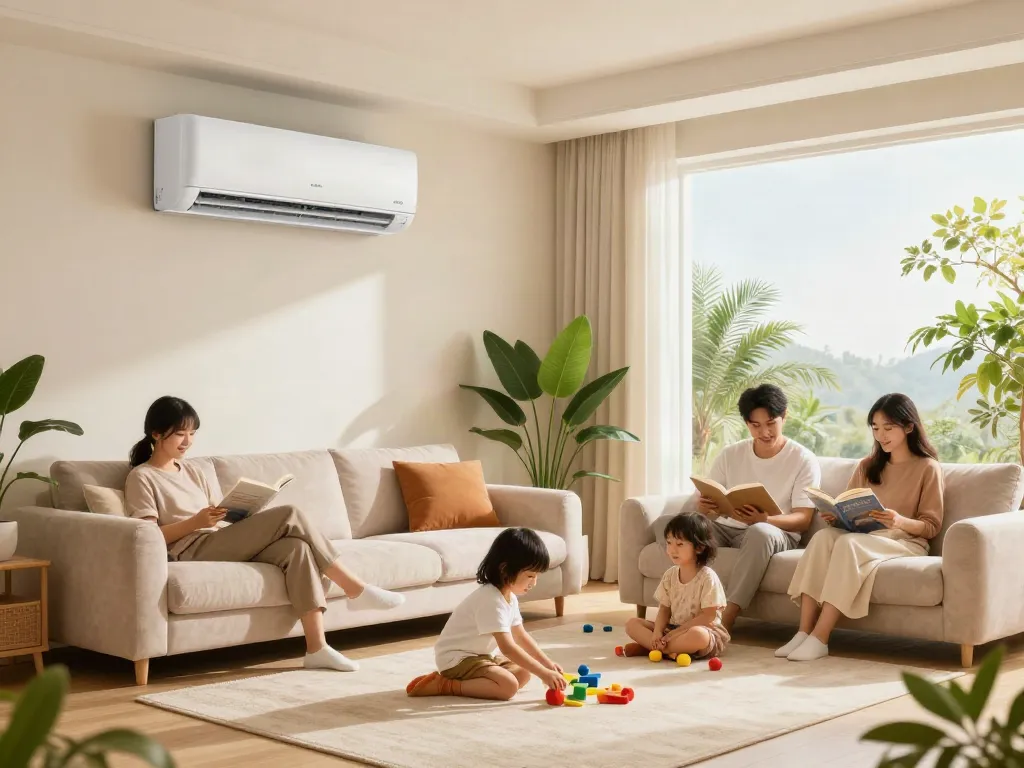
Understanding the 18k Mini Split System
The 18k mini split system has gained popularity among homeowners and business owners alike for its flexibility, energy efficiency, and powerful performance. Specifically designed to heat and cool spaces ranging from 550 to 1,000 square feet, these systems offer a superior alternative to traditional HVAC setups. When exploring options, 18k mini split systems provide comprehensive insights into managing climate control efficiently.
What is an 18k Mini Split?
An 18k mini split, or an 18,000 BTU ductless mini split air conditioner, is a compact system comprising two primary components: an outdoor compressor/condenser and an indoor air handling unit. This design allows for seamless installation without the need for extensive ductwork. These systems are particularly suitable for various applications, including single rooms, studio apartments, and even larger spaces like open-concept living areas. They have become an essential component of modern HVAC solutions due to their efficiency and versatility.
Key Benefits of Using an 18k Mini Split
- Energy Efficiency: 18k mini split systems often have high SEER ratings, indicating better energy consumption and reduced electricity bills.
- Flexibility: They can be installed in multiple configurations, accommodating different room layouts without compromising aesthetics.
- Individual Temperature Control: Each unit can be controlled separately, allowing users to customize the climate for different rooms independently.
- Quiet Operation: Unlike traditional systems, mini splits operate at lower noise levels, enhancing comfort without disruptive sounds.
How 18k Mini Splits Compare to Traditional AC Systems
When contrasting the 18k mini split with conventional air conditioning systems, several distinctions emerge. Traditional AC units often rely on a central air conditioning unit and ductwork, which can lead to inefficiencies and increased energy costs. In contrast, mini splits eliminate the need for ducts, which can accumulate dust and decrease indoor air quality. Mini splits also provide zoned heating and cooling, catering to individual room requirements while avoiding energy waste.
Installation and Setup Considerations
How to Choose the Right 18k Mini Split for Your Space
Selecting the appropriate 18k mini split system for your space involves evaluating several key factors. Consider the size of the area you need to cool or heat, as well as its insulation quality. Generally, a unit rated at 18,000 BTU is ideal for spaces ranging from 550 to 1,000 square feet, but assessing the layout, window sizes, and even the local climate can further refine your selection.
Professional Installation vs. DIY: Which Is Best?
While DIY installation may seem appealing to save costs, hiring a professional is often the best course of action for mini splits. Professionals ensure proper placement, secure connections, and optimal electrical and refrigerant configurations, which can significantly affect performance. Additionally, incorrect installation can void warranties and lead to costly repairs down the line.
Common Installation Mistakes to Avoid
When opting for installation, it's crucial to avoid several common pitfalls. These include:
- Improper refrigerant charging, which can lead to inadequate cooling or heating.
- Incorrect placement of the indoor unit, affecting airflow and comfort levels.
- Neglecting to consider drainage and condensation issues, leading to water damage.
Maintenance Tips for Longevity
Regular Maintenance Practices for 18k Mini Splits
Regular maintenance is essential for the longevity of your 18k mini split. This includes cleaning or replacing filters every month, scheduling annual professional inspections, and ensuring the outdoor unit is free from debris and obstructions. Regular attention not only enhances performance but also prolongs the unit's lifespan.
Signs That Your Mini Split Needs Professional Service
Look out for signs that indicate your mini split may require professional attention:
- Unexpected increases in energy bills.
- Insufficient heating or cooling output.
- Unusual noises or odors during operation.
- Visible leaks around the unit.
DIY Maintenance Hacks for Homeowners
In addition to standard maintenance practices, homeowners can employ several DIY hacks to enhance the effectiveness of their mini split systems. Regularly vacuuming the area around the outdoor unit and ensuring proper airflow around the indoor unit can prevent overheating and inefficiencies. Furthermore, investing in a programmable thermostat can help manage energy usage more effectively.
Cost Considerations and Energy Efficiency
Initial Costs vs. Long-Term Savings of an 18k Mini Split
The initial cost of installing an 18k mini split system can range significantly based on brand and installation complexity. However, it's essential to consider the long-term savings on energy bills that these systems typically offer due to their high efficiency. Over time, the initial investment can lead to substantial savings, making mini splits an attractive option for many homeowners.
Understanding SEER Ratings and Energy Efficiency
The Seasonal Energy Efficiency Ratio (SEER) is a critical metric when assessing the efficiency of air conditioning systems. A higher SEER rating indicates better energy efficiency. For example, mini splits can range between 15 to 25 SEER, meaning they consume less energy while providing the same level of cooling as units with lower ratings. Investing in a model with a higher SEER can significantly reduce monthly utility costs.
Reducing Energy Bills with Smart Usage Techniques
Utilizing smart techniques can maximize the energy efficiency of your mini split system. This includes:
- Utilizing programmable settings to adjust temperatures based on occupancy.
- Sealing gaps around windows and doors to reduce air leakage.
- Utilizing curtains or blinds to block excess sunlight during peak hours.
Future Trends in HVAC Systems
Emerging Technologies in Mini Split Systems
As technology progresses, mini split systems are increasingly becoming more advanced. Features like Wi-Fi connectivity, allowing for remote operation via smartphone apps, and integration with smart home systems, including voice commands, are becoming standard. Furthermore, newer models are designed to be even quieter, ensuring undisturbed comfort.
Eco-Friendly Innovations for 2026
Innovations in eco-friendly refrigerants, such as R-32, are helping to reduce the environmental impact of air conditioning systems. Continued advancements in energy-efficient systems align with growing consumer demand for sustainable practices, ensuring that 18k mini splits not only meet current needs but future regulatory standards as well.
The Future of Home Heating and Cooling Solutions
Home climate control is evolving rapidly, driven by advancements in technology and changing consumer preferences. The adoption of mini splits is likely to continue, presenting a viable solution for those seeking effective heating and cooling without the complexities associated with traditional HVAC systems. As smart home technology becomes more integrated, users can expect enhanced control and efficiency that adapts to their lifestyles.
What are the best room sizes for an 18k mini split?
While an 18k mini split is optimal for rooms ranging from 550 to 1,000 square feet, the perfect fit also depends on factors such as insulation, the number of windows, and lifestyle. For instance, a well-insulated room may require less BTU capacity compared to a poorly insulated one with abundant sunlight.
How much can I save on energy costs with an 18k mini split?
Many users report energy cost reductions of 20% to 40% when switching to an 18k mini split unit compared to traditional HVAC systems. These savings depend on usage patterns and local energy prices.
Are there any tax incentives for installing an 18k mini split?
In many regions, there are tax credits and rebates available for installing energy-efficient appliances, including mini splits. Homeowners should check with local and federal programs to maximize potential savings.
How do I troubleshoot common mini split issues?
Routine checks for functionality include examining filters, verifying temperature settings, and ensuring proper airflow. Common issues like freezing up or inadequate cooling often originate from dirty filters or low refrigerant levels.
Can I use an 18k mini split in multiple rooms?
Yes, 18k mini split systems can be designed for multi-zone applications. This allows several indoor units to be connected to a single outdoor unit, providing heating and cooling options in various rooms with independent control for each unit.